Knee injuries
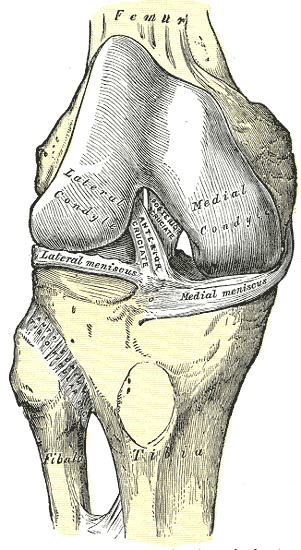
ACL tear
- What you notice
- The knee gave way on a twist or a landing, often with a pop, then swelled within hours. It feels unsteady when you turn.
- What I do
- I rebuild the ACL through keyhole surgery, using a graft from your own hamstring tendon.
- Getting back
- You’ll walk with support within a day or two and run at around four months. Turning sports come at nine months or later.
PCL tear
- What you notice
- A blow to the front of the shin with the knee bent, as in a dashboard injury or a fall onto a bent knee. It usually swells less than an ACL tear, and the knee can feel unsure going downstairs.
- What I do
- Many PCL tears heal with a special brace and physiotherapy. I reconstruct the ligament through keyhole surgery when the tear is severe or other ligaments are torn too.
- Getting back
- A brace and careful walking for several weeks. After reconstruction, getting back to sport usually takes nine to twelve months.
Meniscus tear
- What you notice
- Pain along the side of the joint, catching or locking, and swelling after you squat or twist.
- What I do
- I repair the meniscus whenever the tear can heal, sometimes adding a clot made from your own blood. I trim it only when repair isn’t possible.
- Getting back
- After a repair: a brace and careful walking for some weeks, and sport at four to six months. After trimming, you’re usually back to normal within weeks.
MCL injury
- What you notice
- Pain on the inner side of the knee after a blow from the outside or a fall with the knee bent inwards.
- What I do
- Most heal in a hinged brace with physiotherapy. I reconstruct complete or combined tears, often in the same operation as an ACL repair.
- Getting back
- Most people need a brace for six weeks. If the ACL was reconstructed too, recovery follows the ACL timeline.
Posterolateral corner (PLC) injury
- What you notice
- Pain and instability on the outer side of the knee, often after a blow to the inner knee or the knee being bent backwards. The knee may bow outwards or bend backwards when you walk. It often comes with a cruciate ligament tear.
- What I do
- I repair or reconstruct the ligaments and tendons at the outer corner early, usually in the same operation as the ACL or PCL if those are torn too.
- Getting back
- A brace and limited weight on the leg for about six weeks. Sport usually at nine to twelve months.
Cartilage damage
- What you notice
- A deep ache with activity, swelling after exercise, sometimes a loose piece that catches.
- What I do
- Keyhole surgery to remove loose pieces, smooth unstable edges or stimulate new cartilage, depending on how big and deep the damage is.
- Getting back
- It depends on the procedure: anywhere from a few weeks to a few months of limited weight on the leg.
Shoulder injuries
Recurrent dislocation
- What you notice
- The shoulder has come out more than once, or feels as if it will slip when you raise and turn your arm.
- What I do
- I stitch the torn labrum back to the socket with small anchors through keyhole surgery.
- Getting back
- A sling for about four weeks, then physiotherapy. Contact sport at around five to six months.
Rotator cuff tear
- What you notice
- Pain at night and when lifting the arm overhead; weakness reaching up or out to the side.
- What I do
- Injections and physiotherapy help many people. I repair the tendon through keyhole surgery when it’s torn through and the shoulder is weak.
- Getting back
- After repair, a sling for four to six weeks and full strength over four to six months.
AC joint injury
- What you notice
- A fall onto the point of the shoulder, with a painful bump on top where the collarbone meets the shoulder blade.
- What I do
- Most people need only a sling and physiotherapy. If the joint is badly out of place, I operate to hold it together.
- Getting back
- Most people are back to daily activity within weeks. After surgery, about three months.
Shoulder arthritis
- What you notice
- A deep, aching shoulder that has worsened over months or years, with stiffness, grinding, night pain and difficulty reaching overhead or behind your back.
- What I do
- Medicines, injections and physiotherapy at first. When pain and stiffness limit daily life, especially if the rotator cuff is also worn out, I do a reverse shoulder replacement.
- Getting back
- A sling for about four to six weeks after the replacement. Most daily activities come back within three months, and the shoulder keeps improving for up to a year.
Broken bones
Hip fracture
- What you notice
- Usually an older person after a fall at home, with pain in the groin and difficulty standing or putting weight on the leg.
- What I do
- I fix it with a nail or screws, or do a partial or total hip replacement, depending on the type of break and the quality of the bone.
- Getting back
- I aim to have you standing with a walker within a day or two of surgery, because lying in bed brings its own complications.
Thigh bone (femur) fracture
- What you notice
- Usually a big injury such as a road accident or a fall from height, with severe pain and swelling. The leg may look short or bent.
- What I do
- I usually fix it with a rod inside the bone (an intramedullary nail), or with a plate when the break is close to the knee.
- Getting back
- You’ll walk with support within days. The bone usually takes three to six months to heal fully.
Knee and shin bone fractures
- What you notice
- Pain and swelling after a fall, sports injury or road accident, and you can’t put weight on the leg. Breaks that enter the knee joint have to be lined up precisely.
- What I do
- I fix the bone with a nail or a plate. If the break enters the knee, I put the joint surface back exactly.
- Getting back
- Limited weight on the leg for six to twelve weeks, depending on the fracture. Full healing takes three to six months.
Ankle fracture
- What you notice
- A twisting injury with swelling, bruising and pain around the ankle, and difficulty walking.
- What I do
- Stable fractures heal in a cast or boot. If the bones have moved out of place, I fix them with plates and screws so the joint sits right again.
- Getting back
- Usually about six weeks of limited weight on the leg, then physiotherapy to get your walking and balance back.
Collarbone and shoulder fractures
- What you notice
- A fall onto the shoulder or an outstretched hand, with pain, swelling and difficulty lifting the arm.
- What I do
- Many heal in a sling. If a collarbone or upper arm break has moved out of place, I fix it with a plate. Complex fractures in older patients may need a shoulder replacement.
- Getting back
- A sling for a few weeks, with gentle movement early on. Most daily activities are back by about three months.
Upper arm and elbow fractures
- What you notice
- Pain, swelling and difficulty bending or straightening the elbow after a fall. It’s common in children and older adults.
- What I do
- I use plates, screws or wires to put the bone and the elbow joint back precisely, so you can start moving early and the elbow doesn’t stiffen.
- Getting back
- You’ll start guided movement early, because elbows stiffen quickly. Most people get good function back over three to four months.
Wrist fractures
- What you notice
- A fall on an outstretched hand, with pain, swelling or a visible bend at the wrist. A scaphoid break may feel like a simple sprain.
- What I do
- A cast if the bones are well lined up. Plates or screws if the break has moved or isn’t stable.
- Getting back
- Usually about six weeks in a cast or splint, then exercises to get your movement and grip back.
General information only. Every knee and shoulder is different, so I make the plan only after examining you and your scans.